
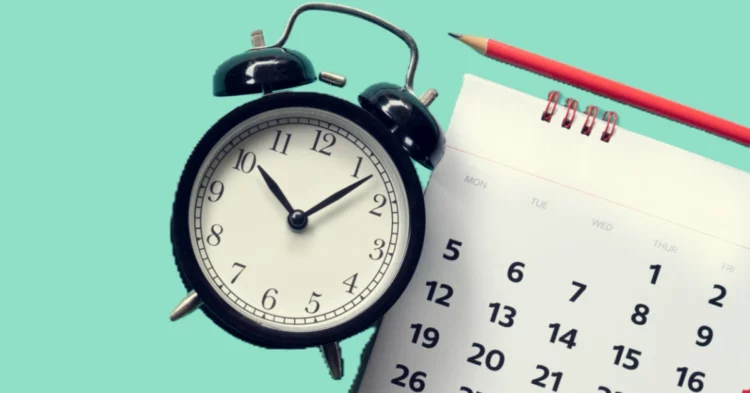
As the days grow shorter and children return to school, Canadians across most provinces are preparing to “fall back” and turn their clocks back one hour. In 2025, daylight saving time (DST) will end on Sunday, November 2, earlier than last year, giving Canadians an extra hour of sleep but also bringing the usual seasonal adjustments.
Toronto Film Festival Schedule 2025: Full List of Films, Premieres, and Must-See Screenings
Understanding Daylight Saving Time in Canada
Daylight saving time was originally introduced to save energy and make better use of daylight during the longer days of summer. In Canada, DST begins on the second Sunday of March and ends on the first Sunday of November.
In 2025:
- DST began on Sunday, March 9 at 2 a.m.
- DST will end on Sunday, November 2
This year, November 2 is the second-earliest date DST can end, with November 1 being the earliest. By comparison, daylight saving time ended on November 3 in 2024. Looking ahead:
- In 2026, DST will end on November 1
- In 2027, DST will end on November 7
Health and Safety Impacts of the Time Change
While the clock adjustment might seem minor, research highlights several concerns associated with DST:
- Increased hospital admissions for heart-related issues
- Higher rates of car accidents immediately following the time change
- Disrupted sleep patterns, which can affect mental health and cognitive performance
- Elevated stress levels due to sudden changes in daily routines
Experts from the Johns Hopkins Bloomberg School of Health have emphasized that even a one-hour shift can impact cardiovascular health, cognitive functioning, and overall well-being.
Why Daylight Saving Time Continues
Despite the documented impacts, DST remains in effect in most parts of Canada. Ontario made headlines in November 2020 when the provincial government passed the Time Amendment Act, aiming to keep daylight saving time as the standard time year-round.
However, Ontario’s plan to eliminate the biannual clock changes depends on neighbouring regions, as coordination is key to avoid confusion. Quebec and New York State must pass similar legislation before Ontario can fully implement permanent DST:
- Quebec began a public consultation on ending DST last fall.
- New York has formed a task force to study the effects of opting out of daylight saving time.
Until these changes are finalized, Canadians will continue the familiar “spring forward, fall back” routine.
Tips to Adjust Smoothly
To minimize the negative effects of the time change:
- Gradually adjust your sleep schedule by 15–30 minutes a few days before the shift.
- Maintain a consistent bedtime and wake-up routine.
- Get exposure to natural light during the day to help reset your internal clock.
- Avoid heavy meals, caffeine, or alcohol close to bedtime during the adjustment period.
By taking small steps, Canadians can make the transition smoother and reduce the potential health and safety risks associated with daylight saving time.