
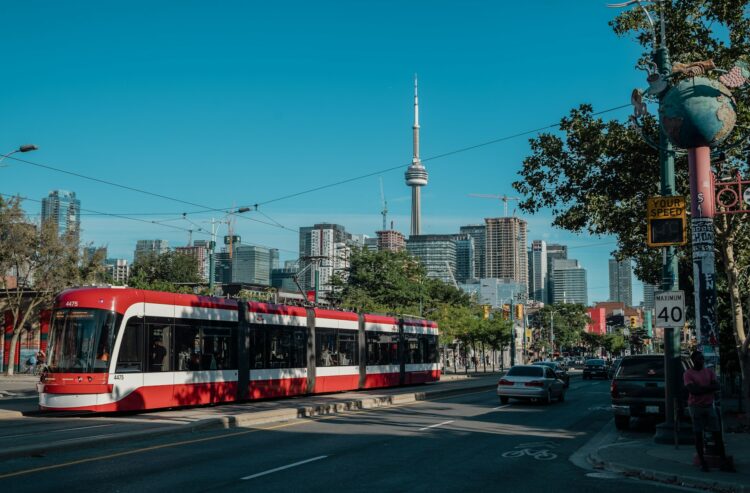
Ontario’s government is facing growing scrutiny after proposing a controversial expansion of authority for transit enforcement officers. The plan would allow Toronto Transit Commission (Toronto Transit Commission) special constables to directly intervene in public drug use cases, including issuing orders to stop drug consumption, seizing substances, and in some situations, making arrests.
The move has triggered a sharp divide between law enforcement representatives, transit users, and homelessness advocates who say the policy could significantly reshape how vulnerable people are treated in public spaces across the province.
Ontario Proposal Could Change TTC Enforcement Powers
The proposal under review would amend existing legislation linked to public drug use rules introduced in 2025. If approved, it would expand the authority of TTC special constables beyond their current role.
At present, these officers are classified as peace officers appointed through the Toronto Police Services Board. They already patrol transit areas but do not carry firearms. Their current equipment includes tools such as pepper spray and batons.
Under the proposed changes, they could be empowered to:
- Direct individuals to stop using illegal drugs in public transit spaces
- Confiscate illegal substances
- Issue fines or lay charges
- Arrest individuals who refuse to comply
This development is part of a broader provincial effort to address public safety concerns tied to drug use on transit systems across Ontario.
Growing Concerns Over Enforcement and Safety
The Ontario Special Constables Association has raised concerns that expanding enforcement duties without additional equipment or legal protections could place officers in dangerous situations.
Association president Sarah Kennedy said officers may face unpredictable encounters and need stronger tools for safety.
Some within the organization argue that current equipment is not sufficient for the proposed responsibilities and have suggested that less-lethal options like conducted energy weapons may be necessary if the change proceeds.
However, the idea of increasing enforcement power has also raised questions about escalation and potential over-policing in sensitive environments like transit stations.
Advocates Warn of Criminalization of Homelessness
Community organizations and transit advocacy groups have strongly criticized the proposal. Groups such as TTCriders argue that increasing police-style enforcement on public transit may discourage vulnerable individuals from using essential services.
Advocates say transit spaces are often used as shelter, especially during cold months, and stricter enforcement could push people into other public areas such as libraries, fast-food restaurants, and commercial buildings.
Community worker Diana Chan McNally warned that the policy could intensify the visibility of poverty without addressing its root causes, especially housing insecurity and addiction support gaps.
Critics argue that Ontario should focus more on crisis response services rather than enforcement expansion.
Alternative Approaches Already Being Tested
Toronto has recently invested in non-police responses to public safety concerns. One example is the Toronto Community Crisis Service, introduced to respond to mental health and addiction-related calls without law enforcement involvement.
The TTC has also experimented with placing crisis workers on subway lines in an effort to reduce confrontations and provide support services instead of punishment.
These programs are being cited by advocates as evidence that alternatives to expanded policing already exist and should be prioritized.
Government Says Proposal Aims to Improve Public Safety
The Ministry of the Solicitor General has defended the proposal, stating that the goal is to improve safety for commuters, including students and workers who rely on public transit daily.
Officials argue that clearer enforcement authority could help address rising concerns about drug use in public spaces, especially in high-traffic transit hubs.
However, critics say the framing oversimplifies a complex issue that involves addiction, mental health, housing shortages, and social support systems.
Legal Penalties Under Existing Law
Under the current legal framework being considered for expansion, individuals found in violation could face:
- Fines of up to $10,000
- Up to six months in jail
The proposed changes would effectively extend enforcement of these penalties into the transit system with increased frontline authority.
Public Consultation Still Open
The proposal remains open for public feedback until March 1, giving residents, advocacy groups, and transit workers a chance to weigh in before any final decision is made.
The debate continues to grow as Ontario considers whether expanding enforcement powers is the right approach for transit safety or whether it risks deepening existing social challenges.
What This Means Going Forward
The outcome of this decision could significantly shape how public transit is policed in Ontario. If implemented, it would mark a shift toward stronger enforcement presence on systems like the TTC, while also intensifying debate over how cities respond to addiction and homelessness.
For now, the province is balancing two competing priorities: commuter safety and the risk of criminalizing vulnerable populations in public spaces.